Medical & hospitalisation
Does Visiting the Emergency Department Mean You Can Use Your Medical Card?
Does an emergency department visit mean your medical card will cover it? Learn how treatment, admission, medical necessity and Guarantee Letters affect a claim, and what to check in your policy.
 By Fynn4 min read
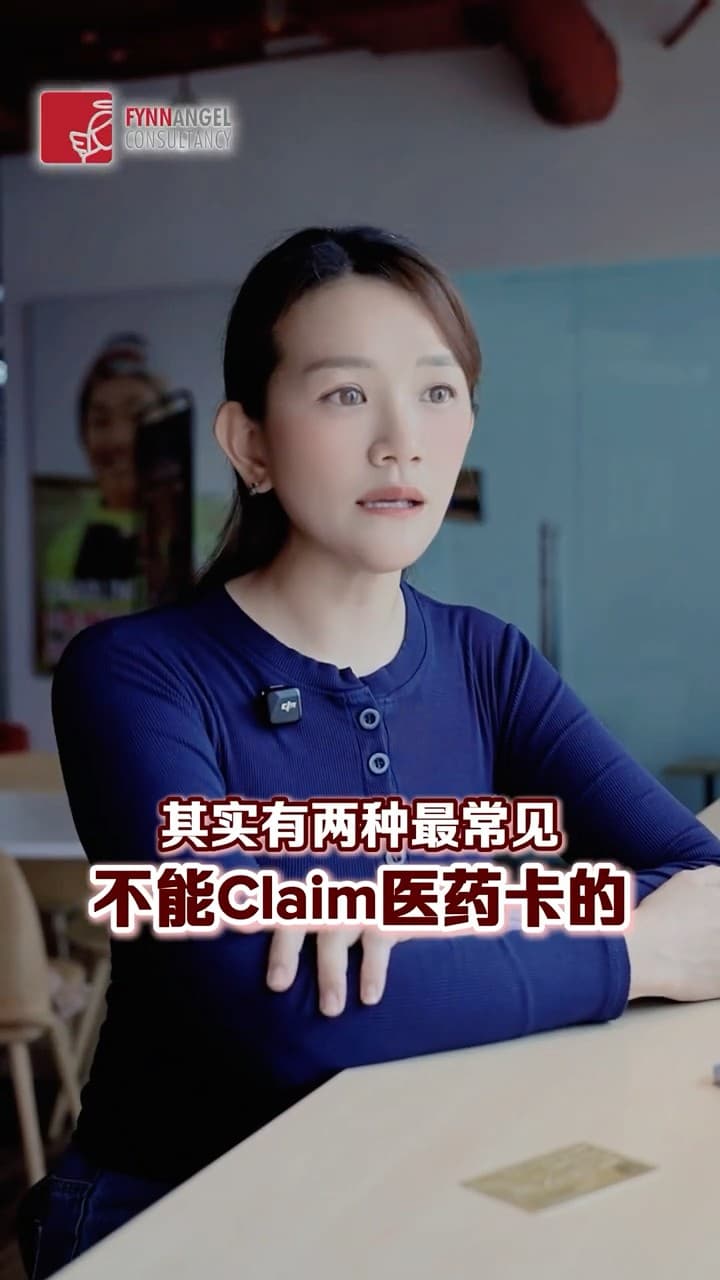
Watch the video
In the emergency room: can you always use your medical card?
When an emergency room visit is covered by your medical card, and when it is not.
Videos load from YouTube or Facebook when you press play.
In this article
- An Emergency Department Visit Is Not the Same as Hospital Admission
- Hospital Admission Must Also Be Medically Necessary
- If You Are Not Admitted, Does That Mean You Cannot Claim?
- Can You Submit a Claim If Cashless Admission Is Not Available?
- Look Beyond the Annual Limit and Room and Board Benefit
- Unsure What You Have? Start with Your Existing Policy
- References
- Frequently asked questions
“I went to the emergency department, so my medical card should cover it, right?”
When you have a medical card, you might expect presenting it at the hospital to take care of the bill. But whether you can claim depends on more than where you received treatment.
The treatment provided, whether admission was necessary and your policy’s coverage all matter.
An Emergency Department Visit Is Not the Same as Hospital Admission
The emergency department assesses and treats urgent medical conditions. After examining you, the doctor may arrange tests and treatment before sending you home, or recommend admission based on your condition.
Two people visiting the same emergency department may therefore need to check different benefits: one receives treatment and goes home, while the other needs inpatient care.
An emergency department visit alone does not establish that your medical card will cover the expenses.
Hospital Admission Must Also Be Medically Necessary
Being admitted does not automatically mean the expenses will be covered.
The insurer assesses the medical information and policy terms, including the diagnosis, treatment and reason for admission.
One consideration is medical necessity. AIA’s explanation includes whether treatment is appropriate for the diagnosis and, for inpatient care, whether it could reasonably be provided outside hospital.²
If tests or treatment could be completed as an outpatient without admission, this may affect eligibility under hospitalisation benefits. Your doctor should determine whether admission is needed based on your condition.
Do not request an unnecessary admission simply to use your medical card.
If You Are Not Admitted, Does That Mean You Cannot Claim?
Not necessarily.
Some medical plans include outpatient emergency accidental treatment, specified outpatient treatments or eligible day care surgery that does not require an overnight stay. AIA’s A-Plus Health 2 brochure, dated April 2025, provides examples of these benefits. They should not be assumed to apply to every plan.³
If you go home after emergency treatment, check your benefit schedule:
- Was the treatment for an illness or an accident?
- Is there an outpatient benefit that applies?
- If you had day care surgery, does it meet the policy conditions?
Identify the relevant benefit first, then confirm the claim procedure. Avoid assuming that “no admission” always means “no claim”.
Can You Submit a Claim If Cashless Admission Is Not Available?
First, find out why the cashless facility was not approved.
What people commonly call “using the medical card” often refers to a Guarantee Letter (GL), which enables direct settlement of eligible expenses between the insurer and hospital.
AIA explains that a GL may not be issued because expenses are not covered or because further assessment is needed before approval. Ask whether reimbursement assessment is possible if you pay first. Keep the required documents and confirm submission deadlines. Paying upfront does not guarantee reimbursement; an initial GL does not guarantee payment of every final charge.¹
For more on expenses you may need to pay at discharge, read Why Do You Still Have to Pay at Discharge When You Have a Medical Card?.
Look Beyond the Annual Limit and Room and Board Benefit
Annual limits and hospital room and board benefits matter when comparing medical cards. So do the conditions for using the coverage.
Ask:
- If I receive emergency treatment without admission, which benefits may apply?
- Does the plan include outpatient accidental treatment or day care surgery?
- At which hospitals can I request a GL?
- What waiting periods, exclusions and out-of-pocket costs apply?
- If I need to pay first, which documents should I keep for a claim?
Understanding these points beforehand makes it easier to know how your medical card may help when you need care.
Unsure What You Have? Start with Your Existing Policy
Review your benefit schedule to identify your hospitalisation, outpatient and day care surgery benefits.
Ask your insurer or the adviser servicing your policy to explain anything unclear before you need to use the coverage.
If you are unsure about your existing medical card, contact Fynnangel Consultancy to learn about the policy review service. We can check your coverage, claim conditions and important details together.
References
Frequently asked questions
Can I Claim for an Emergency Visit Without Being Admitted?
Possibly, if your policy includes a benefit that applies to the treatment and you meet its conditions. Check the relevant outpatient or day care benefit rather than relying on the emergency department visit alone.
Does Being Admitted Guarantee a Successful Claim?
No. Admission must still meet the applicable coverage and claim conditions, including medical necessity where required.
Does Paying the Hospital First Mean the Insurer Will Reimburse Me?
No. Reimbursement remains subject to assessment under your policy. Confirm the documents and deadlines, and keep your itemised bill, official receipts and relevant medical records.
Article tags
This article provides general insurance information only. Errors or omissions may arise from interpretation, summarisation or updates to the information. Coverage and conditions vary between insurers and products, and this article does not replace official policy documents. If there is any discrepancy, the formal policy contract and supplementary terms issued by the relevant insurer take precedence. Actual coverage and claim payments are subject to the applicable policy terms and the relevant insurer’s assessment.

About the author
Fynn · Life & General Insurance Agent
I'm Fynn, an insurance agent with Fynnangel Consultancy. I help individuals, families and businesses understand their insurance, plan the right protection and prepare for the future.
About me →